If you are planning to improve your lawn this spring, you are likely comparing different seeding methods. One option that often comes up is a hydroseeding service. It is marketed as faster, more effective, and more affordable than traditional seeding or sod, but does it actually deliver?
The answer depends on your goals, your property, and how you want your lawn to perform over time. Understanding how hydroseeding works and why spring matters will help you decide if it is the right move for your yard.
What is the Purpose of Hydroseeding in Spring?
Spring offers ideal conditions for grass growth. Soil temperatures begin to rise, moisture levels are more consistent, and there is enough sunlight to support steady germination.
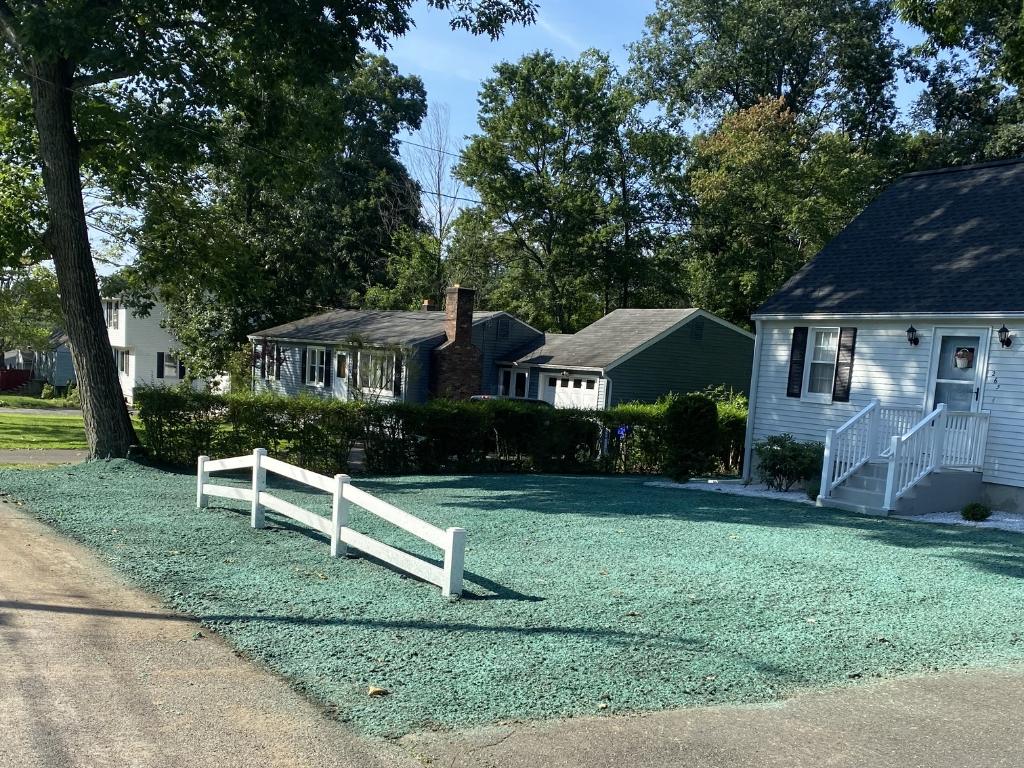
A hydroseeding service takes advantage of these conditions by applying a slurry mixture of seed, mulch, fertilizer, and water directly to your soil.
This method is designed to solve common problems homeowners face when starting or repairing a lawn. Instead of spreading dry seed and hoping for even coverage, hydroseeding creates a protective layer that keeps seeds in place and helps them retain moisture.
Here is what that means for your lawn:
- Seeds stay evenly distributed across the area
- Moisture is held close to the soil surface
- Germination starts faster compared to dry seeding
- Erosion is reduced on slopes or uneven ground
Spring rain also plays a role. With consistent watering from natural rainfall, the hydroseed mixture stays hydrated, which increases the chances of successful growth without requiring constant manual watering.
How a Hydroseeding Service Works
If you have never used a hydroseeding service before, the process is straightforward but precise.
First, the soil is prepared. This step often includes removing debris, leveling the surface, and loosening compacted soil. If this step is skipped or rushed, even the best hydroseeding mix will struggle to establish.
Next, the hydroseed mixture is applied using specialized equipment. This mixture typically contains:
- Grass seed suited to your climate
- Mulch to retain moisture and protect seeds
- Fertilizer to support early growth
- Tackifiers to help the mixture stick to the soil
Once applied, the area is left to germinate. Under proper conditions, you can start seeing grass growth in as little as 5 to 7 days. Full establishment usually takes several weeks, depending on the type of grass and how well the area is maintained.
Why Spring is the Best Time for Hydroseeding
Timing plays a major role in how successful your lawn will be. Spring gives your grass the longest possible growing window before summer stress sets in.
Here is why many homeowners choose spring for a hydroseeding service:
- Soil Conditions Support Germination
Grass seed needs soil temperatures between 55°F and 65°F to germinate effectively. Spring naturally brings soil into this range, creating the right environment for growth without extra intervention.
- Consistent Moisture Reduces Risk
Hydroseeding relies on moisture retention. Spring weather typically provides more frequent rain, which reduces the risk of seeds drying out. This also lowers how often you need to water the lawn yourself.
- Longer Growing Season
When you seed in spring, your lawn has several months to establish strong roots before facing heat or drought. This makes the grass more resilient and better able to handle stress later in the year.
- Better Coverage on Problem Areas
If your yard has slopes or patchy areas, spring hydroseeding helps stabilize the soil. The mulch layer protects against washouts, which is especially important during seasonal rain.
Hydroseeding vs. Traditional Seeding and Sod
You may be wondering how hydroseeding compares to other options. Each method has its place, but the differences matter depending on your priorities.
Traditional Seeding
Traditional seeding is often the first option homeowners consider because it has the lowest upfront cost. It can work well for smaller lawns or simple patch repair jobs where budget matters most. The downside is that results are often less consistent, especially if the seed is spread unevenly or spring weather shifts too much from week to week.
- Slower germination
- Higher risk of patchy results
- Requires more maintenance early on
Sod Installation
Sod installation is usually chosen by homeowners who want a lawn that looks finished right away. It creates an immediate visual improvement, which can be helpful if your yard is bare or you want faster curb appeal. At the same time, sod comes with a higher price tag and still depends on proper soil prep and watering to establish strong roots.
- Higher upfront investment
- Immediate visual results
- Risk of poor root establishment if not installed correctly
Hydroseeding
Hydroseeding falls between traditional seeding and sod in both cost and performance, which is why many homeowners see it as a practical middle-ground option. It offers better seed distribution and faster germination than dry seeding, while still costing less than a full sod installation. If you want a lawn that establishes well without paying for instant turf, a hydroseeding service often gives you that balance.
- Faster germination than traditional seeding
- More even coverage
- Lower cost than sod
- Strong root development over time
When a Hydroseeding Service Makes Sense
Not every lawn project requires hydroseeding. However, there are situations where it becomes the most practical option.
You should consider a hydroseeding service if:
- You are starting a new lawn from scratch
- Your current lawn has large bare or damaged areas
- Your yard includes slopes or erosion-prone sections
- You want more consistent results than traditional seeding
For example, if you recently completed construction or landscaping work, your soil may be uneven and compacted. Hydroseeding helps restore coverage quickly while improving the chances of uniform growth.
What Results Can You Expect?
A common question homeowners ask is how long it takes to see results. While timelines vary, hydroseeding generally follows a predictable pattern when done correctly.
- 5–7 days: Early germination begins
- 2–3 weeks: Noticeable grass coverage develops
- 4–6 weeks: Lawn becomes fuller and more consistent
Keep in mind that maintenance plays a role. You will still need to water the area regularly, especially during dry periods. Cutting corners during this stage can slow down growth or lead to uneven results.
Is a Hydroseeding Service Worth It in Spring?
For many homeowners, yes. If you want faster growth, more even coverage, and a more affordable option than sod, a hydroseeding service can be a smart choice in spring.
It still needs proper soil prep and follow-up care, but when done correctly, it gives your lawn a strong start for the season ahead. If you are thinking about improving your yard this spring, Roberts Property Management can help you decide if hydroseeding is the right fit for your property.