Managing a commercial property means keeping your landscape presentable at all times. Tenants notice it. Customers notice it. Even small inconsistencies can affect how your property is perceived. What many property managers underestimate is how much seasonal conditions influence the way your lawn should be maintained.
Commercial lawn mowing is not a fixed routine. It needs to adapt as your landscape responds to heat, rainfall, and soil conditions. When that adjustment does not happen, the results become visible. You start seeing uneven growth, stressed turf, or areas that look neglected even when service is consistent.
Understanding what changes between dry and wet seasons helps you avoid these issues before they build up.
What is Commercial Mowing?
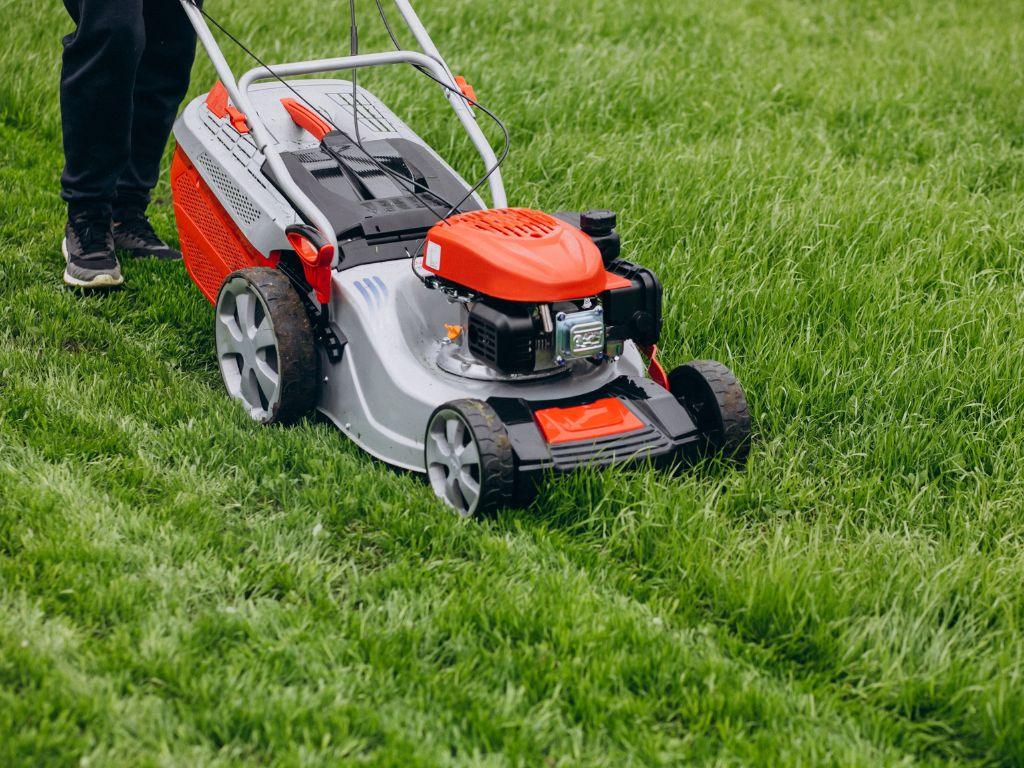
Commercial lawn mowing is the routine maintenance of grass across large properties such as office parks, retail centers, apartment complexes, and industrial sites.
While it may seem straightforward, the goal goes beyond cutting grass. You are maintaining a consistent appearance, reducing safety risks, and supporting the long-term health of the landscape. That includes managing grass height, trimming edges, and clearing debris so the property always looks maintained.
The key detail most people miss is that commercial lawn mowing should not look the same every week. A static approach may keep the lawn short, but it does not keep it healthy. Over time, that gap shows up in the form of patchy areas, uneven growth, and higher maintenance costs.
To understand why, you need to look at how the lawn behaves in different conditions.
How Dry Seasons Change the Way Your Lawn Behaves
Dry conditions slow down visible growth, but they increase the stress your lawn experiences. This shift changes the role of mowing from maintenance to protection. Instead of focusing on keeping the grass short, the priority becomes preserving what is still healthy.
Growth Slows, but Sensitivity Increases
During dry periods, grass does not grow at the same pace. In many cases, growth can drop significantly, especially in areas with limited irrigation coverage.
At first glance, this may seem like a reason to maintain the same schedule or even cut less frequently without adjusting anything else. But the issue is not just how fast the grass grows. It is how well it recovers after being cut.
When grass is already under stress, removing too much at once weakens it further. This is when you begin to see thinning areas or sections that turn brown shortly after mowing.
A well-managed commercial lawn mowing plan accounts for this by adjusting both frequency and cutting height. The grass is left slightly longer to help retain moisture and protect the soil underneath.
Irrigation Patterns Start to Influence Results
As dry conditions continue, inconsistencies in irrigation become more noticeable. Some areas receive enough water to sustain growth, while others begin to struggle.
This creates uneven mowing results across the property. One section may look clean and uniform, while another appears thin or patchy.
This is where mowing and irrigation start to overlap. A provider that simply cuts grass without evaluating these patterns will miss early warning signs.
When these issues are identified early, adjustments can be made before the damage spreads. Without that attention, small inconsistencies often turn into larger sections that require repair.
How Wet Seasons Shift the Challenges
When rainfall increases, the lawn responds quickly. Growth accelerates, but that does not make maintenance easier. It introduces a different set of challenges that require just as much attention.
Instead of protecting the lawn from stress, the focus shifts to managing rapid growth and avoiding damage caused by excess moisture.
Rapid Growth Changes the Timing of Mowing
In wet conditions, grass can grow much faster than expected. What looks manageable early in the week can become overgrown within a few days.
If the mowing schedule does not adjust, the lawn quickly gets ahead of the service. When that happens, each visit requires cutting more than it should.
This leads to uneven results and clumping, which affects both appearance and lawn health.
To maintain consistency, commercial lawn mowing needs to become more frequent during periods of active growth. Shorter, controlled cuts keep the lawn even and reduce stress on the turf.
Moisture Affects the Quality of Each Cut
Even when the schedule is adjusted, timing becomes critical. Wet grass behaves differently under mowing equipment.
Instead of standing upright, it tends to bend. This leads to uneven cuts and a less uniform finish. In addition, clippings often stick together and remain on the surface.
These clumps do more than affect appearance. They block sunlight and trap moisture, which can lead to disease over time.
A more thoughtful approach involves scheduling mowing when the lawn has had time to dry. This improves both the look of the cut and the overall condition of the grass.
Soil Conditions Create Long-Term Effects
While the grass above ground may look healthy, the soil underneath becomes more vulnerable during wet conditions.
Soft soil is more easily compacted by heavy equipment. Repeated pressure can leave tracks or create uneven surfaces that affect how water drains.
Over time, this leads to areas where water collects or drains too slowly. These issues often develop gradually, making them easy to overlook at first.
Adjusting how and when mowing is done helps prevent this kind of damage. It is not just about cutting the grass. It is about protecting the structure of the lawn.
Connecting the Seasonal Differences
Looking at dry and wet seasons side by side makes one thing clear. The lawn is not just reacting to mowing. It is reacting to how mowing interacts with its environment.
In dry conditions, the risk comes from doing too much when the lawn is already under stress. In wet conditions, the risk comes from not keeping up with growth or damaging the soil during maintenance.
This is why a consistent routine without adjustments leads to problems in both scenarios. The lawn may look acceptable in the short term, but over time, the quality declines.
Recognizing these patterns allows you to evaluate whether your current approach is actually supporting the property.
What You Should Expect from Your Mower
At this point, the expectation should be clear. You should not be receiving the same service week after week without any changes.
A reliable provider adapts based on conditions, not just a calendar.
This shows up in a few key ways. First, the mowing schedule shifts as growth patterns change. You are not locked into a frequency that no longer makes sense for the season.
Second, communication improves. When issues like irrigation gaps or drainage concerns appear, they are identified early. You are informed before the problem spreads.
Finally, the results remain consistent. Even as conditions change, your property maintains a uniform appearance. That consistency is what tenants and visitors notice.
How We Approach Seasonal Mowing
At Roberts Property Management, commercial lawn mowing is handled with a focus on how your property performs throughout the year.
Instead of following a fixed routine, adjustments are made based on current conditions. During dry periods, mowing is approached in a way that protects lawn health and reduces stress. As growth increases during wetter months, the schedule and techniques shift to maintain consistency without causing damage.
You are kept informed throughout the process. If something needs attention, you know about it early. This allows you to make decisions before small issues turn into larger costs.
The result is a property that looks maintained and consistent, regardless of the season.
Final Thoughts
Seasonal changes do more than affect how your lawn grows. They change how it should be maintained.
If your commercial lawn mowing service does not adjust to these shifts, the impact builds over time. You may not notice it immediately, but it shows up in the form of uneven growth, declining lawn health, and rising maintenance costs.
Take a closer look at how your property is being handled today. Are adjustments being made based on real conditions, or is the same routine being followed every week?
That distinction is what determines whether your landscape stays consistent or gradually declines.