Most homeowners assume a cramped or awkward yard means they don’t have enough space. In reality, the square footage is usually there; it’s just being wasted by poor layout decisions that quietly eat into usable areas.
This is where backyard landscaping design often goes wrong. Not with big, obvious mistakes, but with subtle choices that reduce function.
Empty corners. Tight seating areas. Lawns no one steps on.
In this guide, we’ll break down specific backyard landscaping design mistakes that physically reduce usable space and show how smarter layouts solve them without increasing your footprint.
Oversized Curved Pathways That Shrink Usable Areas
Wide, winding pathways look elegant on paper. In reality, they carve up the yard and consume space fast.
Curves require extra width to function. When paths bend without purpose, they reduce the usable footprint around them and create leftover slivers that can’t support furniture, turf, or planting beds.
Those narrow edge spaces usually end up empty.
Smarter Solutions
- Use straight or gently angled paths where possible.
- Size walkways based on actual foot traffic, not aesthetics.
- Let paths double as visual boundaries between zones.
Large Turf Areas With No Defined Use
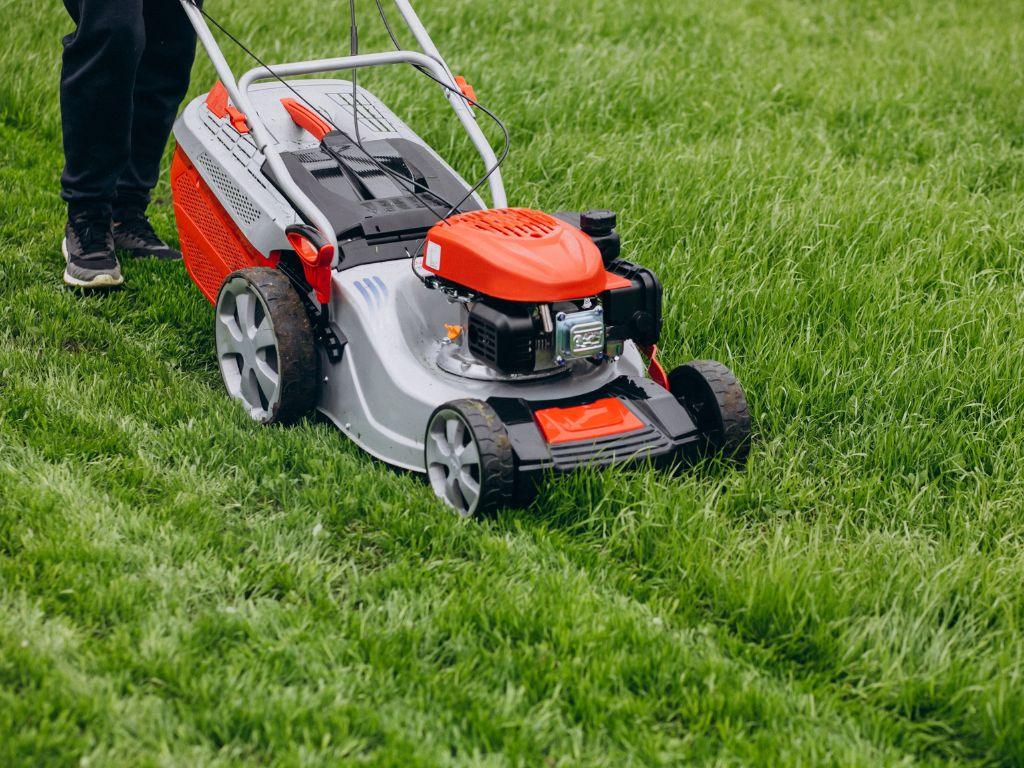
A big lawn feels open, but open doesn’t mean functional. When turf isn’t sized to a specific activity, it becomes dead space. You still pay for it in watering, mowing, and maintenance, but it contributes nothing to how the yard is used.
This is one of the most common backyard landscaping design mistakes. Remember that every lawn area should answer one question: “What happens here?”
Smarter Solutions
- Size lawn areas for specific uses like play or pets.
- Break turf into smaller, intentional zones.
- Replace unused grass with hardscape or low-profile planting.
Deep Planting Beds That Push Everything Inward
Oversized planting beds steal space from the center of the yard. When planting beds are too deep, they force patios, seating areas, and circulation zones to shrink. The result is a backyard that feels tight even when the property isn’t small.
This mistake is often hidden until furniture is placed. Smart backyard landscaping design lets greenery frame the space, not consume it.
Smarter Solutions
- Reduce bed depth where plants don’t need it.
- Use layered planting instead of depth.
- Pull planting beds to perimeter edges.
Fire Pits and Features That Are Scaled Too Large
Fire features are popular and often oversized. A fire pit that’s too large requires excessive clearance on all sides. That clearance becomes unusable buffer space, not functional square footage.
One oversized feature can dominate the entire layout. Meanwhile, right-sizing features preserve flow and keep the yard flexible.
Smarter Solutions
- Scale features to the actual seating count.
- Use linear or corner fire features.
- Combine fire elements with seating walls.
Poorly Placed Fixed Structures
Pergolas, pavilions, and outdoor kitchens feel permanent because they are. When placed without considering circulation and sightlines, they block movement and cut the yard into awkward sections that can’t be used together.
This physically fragments the space. Smart placement connects spaces instead of isolating them.
Smarter Solutions
- Place structures along natural boundaries.
- Align them with home architecture.
- Keep open sightlines between zones.
Ignoring Vertical Space for Privacy
Many homeowners solve privacy issues by pushing features inward. Tall shrubs, thick hedges, and fencing often consume valuable ground space. That reduces usable width and makes the yard feel smaller.
Smarter Solutions
- Use vertical screens or trellises.
- Layer plants upward instead of outward.
- Combine privacy elements with seating or planters.
Furniture Layouts That Don’t Match the Hardscape
Patios are often built before furniture is chosen. When hardscape doesn’t align with furniture dimensions, space gets wasted. Chairs block walkways. Tables feel cramped. Corners sit empty.
The space exists, but it doesn’t work. Furniture-first planning increases usable square footage instantly.
Smarter Solutions
- Design patios around real furniture sizes.
- Maintain clear circulation paths.
- Avoid hardscape shapes that don’t support layouts.
Multiple Small Patios Instead of One Flexible Surface
Breaking a yard into several small hardscape areas sounds functional. In practice, it limits how the space can be used. Each patio is too small to adapt, and circulation between them eats up more room.
You end up with fragmented space instead of flexibility. Remember that fewer surfaces often mean more usable space.
Smarter Solutions
- Create one main multi-use patio.
- Define zones with furniture, not hardscape breaks.
- Allow areas to adapt over time.
Unnecessary Grade Changes and Steps
Elevation changes look dramatic, but they come at a cost. Each step requires landings, rail clearances, and transitions. These eat into square footage and restrict furniture placement.
In smaller yards, this mistake is especially costly.
Smarter Solutions
- Keep grade changes minimal.
- Use subtle slopes instead of steps.
- Reserve elevation changes for functional needs only.
Overdesigning for Rare Use Scenarios
Designing for events that happen once or twice a year wastes space the rest of the time. Oversized dining areas or entertainment zones sit empty most days. That square footage could serve daily life better.
Smarter Solutions
- Design for everyday use first.
- Use movable furniture for flexibility.
- Allow zones to expand temporarily.
Why Correcting These Mistakes Matter
Wasted space in a backyard isn’t just a design issue. It affects how the property functions, how much it costs to maintain, and whether outdoor areas actually get used.
Correcting these backyard landscaping design mistakes helps improve flow, reduce unnecessary upkeep, and turn underused areas into functional space that adds real value.
Roberts Property Management helps property owners identify layout issues and apply smarter backyard landscaping design solutions that support long-term performance. If your outdoor spaces feel cramped, inefficient, or underutilized, their team can help assess what’s holding the space back and recommend practical improvements that make the most of what you already have.