Before you build anything, you need to move some dirt. But not all excavation is the same. Whether you’re adding a building, parking lot, or drainage system, the right commercial excavation services make all the difference. Here’s a quick breakdown of what each type does and why it matters for your property.
1. Site Preparation Excavation
This service involves clearing, leveling, and stabilizing land to get it ready for development. Crews remove vegetation, old structures, or pavement, and shape the terrain for new construction. Site prep sets the stage for everything that follows.
Used for:
- New commercial building sites
- Storage facilities and warehouses
- Strip malls or retail centers
- Office park developments
2. Cut and Fill Excavation (Grading)
Cut and fill excavation or grading adjusts the elevation of land by cutting away high spots and filling in low ones. This helps create a level surface and corrects natural slopes or dips that interfere with construction.
Used for:
- Preparing flat foundations
- Creating driveways or service roads
- Shaping large parking lots
- Ensuring proper stormwater drainage
3. Trench Excavation
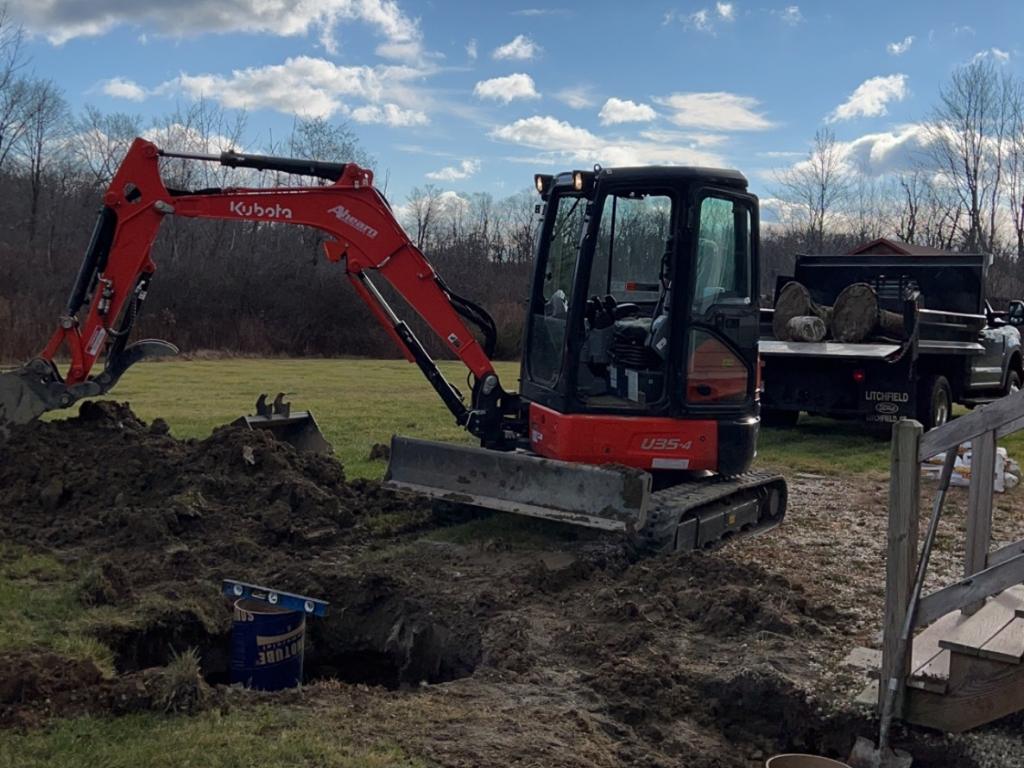
Trenching creates narrow, deep channels in the ground for laying pipes, cables, or other infrastructure. It’s a precise service, especially important for safety and code compliance.
Used for:
- Installing sewer and water lines
- Running gas or electrical conduits
- Connecting communication cables
- Building underground drainage systems
4. Foundation and Basement Excavation
This service digs out the base area for buildings. Depending on the design, it may involve shallow foundations or deeper basement-level excavations. It requires accurate measurements and proper soil handling.
Used for:
- Multi-story commercial buildings
- Hotels and motels with basement levels
- Apartment complexes
- Retail plazas with lower-level storage
5. Drainage Excavation
Drainage excavation shapes the land and installs components to manage water flow and prevent flooding. It’s often done in conjunction with grading and involves building retention areas or underground systems.
Used for:
- Managing runoff around parking lots
- Installing retention or detention ponds
- Controlling erosion on sloped properties
- Adding stormwater culverts and swales
6. Road and Parking Lot Excavation
This service builds a stable base for commercial traffic areas. It includes subgrade preparation, compaction, and grading to ensure the surface can support repeated vehicle use.
Used for:
- Driveways and loading zones
- Delivery lanes at warehouses
- Parking structures or paved lots
- On-site commercial roads
7. Rock Excavation
Rock excavation deals with hard ground conditions that can’t be removed with basic equipment. It requires special tools like jackhammers or blasting techniques and adds time and cost to a project.
Used for:
- Properties built into hillsides
- Sites with shallow bedrock
- Large-scale infrastructure projects
- Foundations in mountainous terrain
8. Dredging (Water-Based Excavation)
Dredging removes sediment and debris from the bottom of lakes, rivers, or ponds. It’s often needed to maintain flow capacity or prepare for waterfront development.
Used for:
- Commercial docks and marinas
- Stormwater retention basins
- Waterfront real estate development
- Restoring drainage channels on coastal land
9. Muck Excavation
Muck is a wet, unstable mix of soil and water that needs to be removed or stabilized before construction. This service ensures that the building site has solid ground support.
Used for:
- Building on marshy or wetland areas
- Redeveloping poorly drained properties
- Installing roads over soft terrain
- Reclaiming land for industrial use
10. Channel Excavation
This type of excavation shapes or deepens existing channels to control water flow or redirect drainage. It’s a specialized service often required by local codes in flood-prone zones.
Used for:
- Stormwater channels along commercial lots
- Irrigation systems for landscaped properties
- Erosion control near buildings
- Water redirection on undeveloped land
Choosing the Right Type of Excavation
Not every project requires all of the above. You need to match the excavation type with your site conditions and development goals.
Ask yourself:
- What’s below the surface?
- Will this project need deep utility access?
- How will water move across the property?
- Are you dealing with elevation changes or bedrock?
A professional excavation contractor, like Roberts Property Management, will assess these factors and create a tailored plan.
Want help managing the property after excavation? Check out The Complete Guide to Commercial Landscape Maintenance for Property Managers to keep your site looking its best long after the groundwork is done.
Why Partner with Roberts Property Management?
We specialize in commercial excavation services for projects of all sizes. From retail centers to industrial sites, we deliver results that support long-term success.
✅Experienced, OSHA-certified crews
✅Access to advanced excavation equipment
✅On-time project delivery
✅Full site prep and grading services
✅Seamless coordination with your construction team
At Roberts Property Management, we don’t guess! We assess, plan, and get the job done right the first time.
Let’s talk about your site. Call us today or request a quote online to get started.